
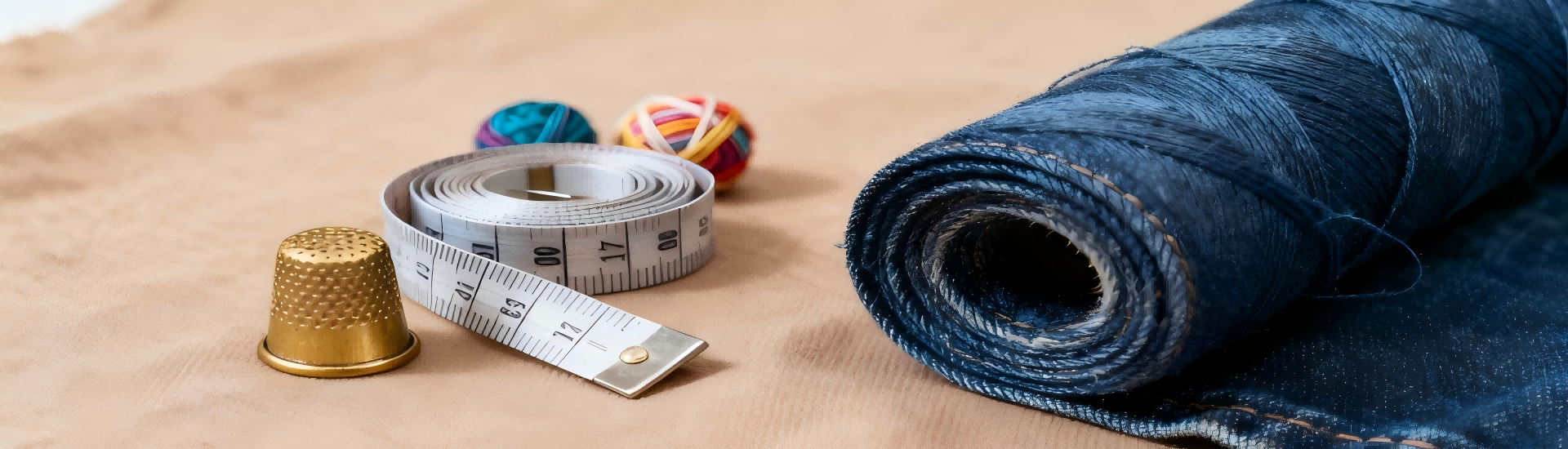
Consumers are shifting from fast fashion to long-lasting pieces, pushing the apparel industry to prioritize durability in 2025. The apparel industry is undergoing a profound shift in 2025, as consumers and brands alike move beyond the "fast fashion" paradigm. Two trends have emerged as defining forces: a laser focus on durability and a strategic pivot toward local and regional sourcing. This transformation is not merely a response to market hype but a fundamental realignment with evolving consumer values and global supply chain realities.
Durability has transitioned from a niche selling point to a core consumer demand. A 2025 industry survey reveals that 68% of shoppers are willing to pay a 20-30% premium for garments they believe will last at least two years—up from 45% in 2020. This shift is driving brands to rethink every aspect of production, from fabric selection to construction techniques. Leading manufacturers are increasingly adopting high-performance natural fibers like organic cotton and hemp, while integrating functional materials such as Sorona and Tencel to enhance longevity without sacrificing comfort.
Details matter more than ever in this durability revolution. Ribbed fabrics like kapok rib are gaining popularity for cuffs and collars due to their exceptional elasticity and resistance to deformation. Brands are also reviving traditional craftsmanship: reinforced stitching at stress points, corrosion-resistant hardware, and easily replaceable components have become standard features for premium lines. Beyond production, repair services are becoming a key brand offering—Patagonia’s Worn Wear program, which now processes over 1 million repairs annually, has inspired mainstream brands to launch similar initiatives, turning post-purchase care into a loyalty-building tool.
Local and regional sourcing, meanwhile, is reshaping global supply chain maps—though not without challenges. The trend is fueled by dual motivations: reducing carbon footprints from long-haul shipping and building resilience against geopolitical disruptions. Europe leads the way, with 55% of regional brands now sourcing from local or nearshore suppliers, while North American companies are expanding partnerships in Mexico and Honduras, driving a 40% investment growth in these nearshore bases.
However, domestic sourcing remains constrained by practical hurdles. A 2025 U.S. Fashion Industry Association study found that only 17% of brands plan to increase "Made in the USA" sourcing, as domestic suppliers often lack the product diversity and vertical integration of Asian counterparts. Instead, brands are embracing "regionalization"—sourcing from nearby continents to balance sustainability and efficiency. For example, 44% of U.S. brands are expanding sourcing in the Western Hemisphere, while European brands are strengthening ties with North African manufacturers.
Brands that master the combination of durability and local sourcing are reaping rewards. China’s domestic market illustrates this clearly:local brands now hold 60% of the top 10 market positions, with durability-focused lines from Li-Ning and Anta achieving 55%+ gross margins. These brands leverage China’s "eastern innovation, central-western manufacturing" ecosystem, using regional fabric mills and digital production technologies to create long-lasting products with minimized carbon footprints.
The convergence of durability and local sourcing represents more than a passing trend—it’s a new business model for the apparel industry. As 2025 progresses, success will belong to brands that can communicate the value of long-lasting garments, build transparent regional supply chains, and balance sustainability with affordability. In this new era, fashion is no longer just about looking good—it’s about lasting well and doing good.
 EN
EN