
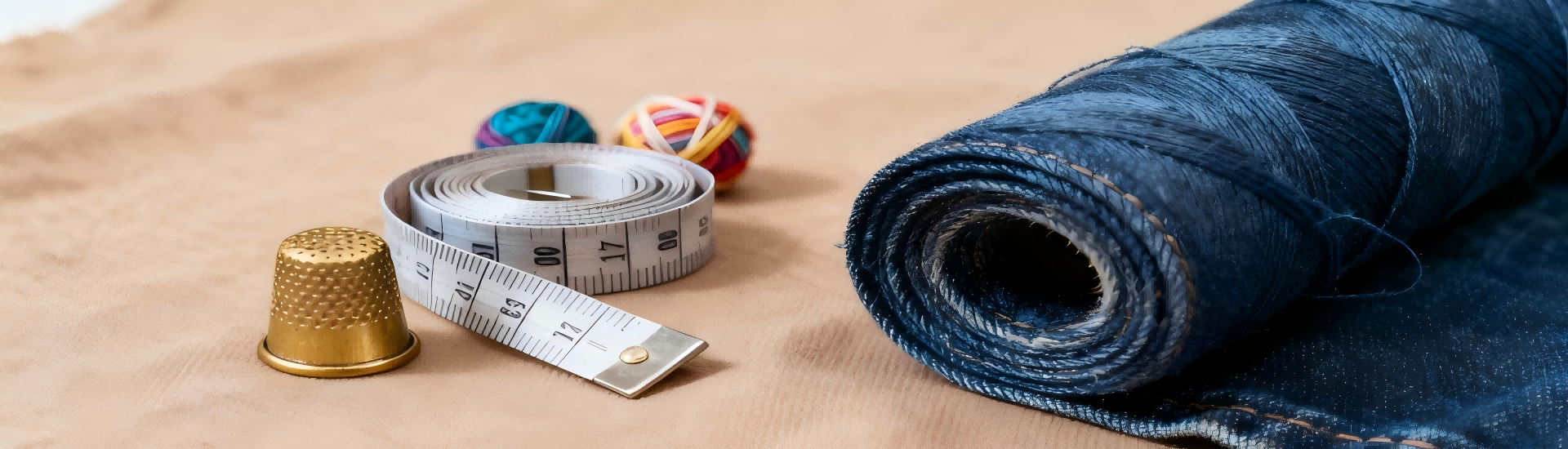
Unguvu ya sekta ya uzalishaji wa mavazi nchini Uchina inatokana na eneo hili lililofungwa vizuri za viindustri, hasa katika maeneo kama vile mkoa wa Guangdong na Zhejiang. Vituo vya uzalishaji vya kisutu, watoa vya vitu vya kujaza, na wazalishaji wa mavazi yenyewe vinajikita pamoja katika eneo dogo la jiografia. Wakati mwingine, hawajikita hata karibu na mahali ambapo mikaya inazalishwa, ambayo inapunguza muda wa usafirishaji kwa kiasi kikubwa—badala ya kusubiri wiki nyingi kwa vitu, mashirika yanaweza kupata vitu ndani ya saa chache. Ukaribisho huu unaleta haraka zaidi katika mchakato wa uzalishaji. Mashirika yanaweza kubadilisha muundo haraka, kubadilisha idadi ya vitu kama ilivyotarajiwa, na kujaribu sampuli mara nyingi—kitu ambacho upanuzi wa supply chain wingine hauwezi kufanya wakati sehemu zinapatikana katika nchi mbalimbali. Mtandao wa reli ya kasi ya juu wa nchi husambisha milango kuu ya pwani na vituo vya uzalishaji vya ndani zaidi, na makahawa yaliyojengwa kwa kutumia teknolojia ya kiotomatiki hupunguza muda takriban 40% kuliko njia za kawaida. Pia kuna ujuzi mkubwa uliojengwa kwa majeneresheni, kutoka kwa watu wanaojua jinsi ya kujenga michoro ya digital hadi kwa wale wenye ujuzi wa kufanya kazi ya kuchomwa kwa undani. Sababu zote hizi zinajumuika kuelezea kwa nini brandi nyingi za kimataifa za mitindo bado zinategemea wazalishaji wa Uchina wakati wanahitaji bidhaa kuzalishwa haraka, mara nyingine katika muda usiozidi siku 30.
Kile kinachofanya wafanyikazi wa mavazi ya Uchina kuzungumzwa ni mtazamo wao wa ushirikiano wa wima. Kampuni hizi zinakwamisha kila kitu kutoka kwenye mahali ambapo hupata nyuzi zao na jinsi wanavyopiga rangi kwenye takataka hadi kufunga bidhaa zilizosaidiwa kwa ajili ya uhamisho. Vituo vya juu vinaleta pamoja uchimbaji, uuzaji, kupiga rangi, kuchukua, kujumuisha kila kitu, na kuchunguza ubora katika jengo moja. Mfumo huu unavoida matatizo yanayotokana na watoa huduma mbalimbali wanaohitajika kushirikiana na kubadilisha vitu kati yao. Timu za udhibiti wa ubora zinafanya majaribio mara kwa mara dhidi ya viwango vya kimataifa kama vile ISO 9001 na Oeko-Tex. Uchunguzi wa hivi karibuni wa vituo vilionyesha kwamba mfumo huu unapunguza vitu visivyofaa kwa takriban asilimia 30%. Uzalishaji wa bidhaa kwa ajili ya mauzo ya mtandaoni huianza moja kwa moja katika eneo la uzalishaji. Baada ya mavazi kuondoka kutoka kwenye mashine za kusonga, huyajaa moja kwa moja katika mifuko ya plastiki yenye jina la kampuni na barakodi zilizowekwa tayari. Ufunguo unaweza kubadilishwa kwa wateja wanaotaka agizo lao lipelekwe moja kwa moja. Na kwa sababu wafanyikazi hawa wanashirikiana sana na kampuni za usafirishaji, meli na ndege huanza kutembea kutoka kwenye bandari tu dakika 24 baada ya mwisho wa uzalishaji. Hii yote inafanya kutoa agizo kwa nusu ya muda uliotumika katika uendeshaji unaounganishwa zaidi.
Kuangalia uchumi wa uhakika wa kushawishi unamaanisha kuondoka juu ya kufikiria tu kile watu wanapopewa. Mbinu ya Jumla ya Gharama za Umeni (Total Cost of Ownership) ina maana kubwa hapa. Kweli, mshahara wa msingi bado unaonekana mzuri sana, kwa takriban dola $3.50 hadi $5.50 kwa saa kulingana na takwimu za sekta ya mwaka 2024, lakini wakati tunazungumzia gharama za biashara ya kisasa, kuna mambo mengi zaidi yanayotarajiwa kuchunguzwa. Fikiria jinsi ya mtandao wa usambazaji unavyoundwa vizuri—kampuni zenye mfumo uliofungwa zinaweza kuhifadhi kwa takriban 18% hadi 22% katika gharama za usafiri kuliko kampuni zenye mtandao wa usambazaji uliozimwa. Kupata mbele ya matatizo ya utii pia ni jambo la kubwa. Sertifikati kama vile ISO 14001 zinaweza kudhaniwa kuwa ghali sana kwanza, kuzidisha gharama za awali kwa takriban 3–5%, lakini zinatoa faida kubwa muda mrefu kwa sababu adhabu za kutokuwa na utii zinaweza kufikia takriban dola $740,000 kwa kila tukio kulingana na utafiti wa Taasisi ya Ponemon mwaka jana. Na hatujasahau pia uwekezaji wa teknolojia. Vituo vya uzalishaji vilivyowekwa mfumo wa usimamizi wa magazini wenye akili ya mawasiliano (smart inventory management) unaoendeshwa na akili ya bandia (artificial intelligence) huwachafua vitu vya kuzalisha kwa takriban 30% chini kuliko njia za kawaida. Zaidi ya hayo, uboreshaji wa kiotomatiki huu mara nyingi huanza kutoa faida yake ndani ya miezi minne tu baada ya kusakinishwa.
Wafanyabiashara wa mavazi wanaofikiria mbele katika Uchina wanaatumia mbinu za kupunguza tarifa zinazotumia uhariri na kuchanganya viwango vingi:
Wafanyabiashara wa nguo nchini Uchina wanaanza kutumia zaidi utengenezaji wa mikundi mdogo kwa kutumia mbinu za Mteja-kwa-Mfanyabiashara (C2M) ambazo zinatoa uwezo mkubwa zaidi wa uboreshaji kwa mashinali ya kibinafsi. Msingi wa kidijitali uliopo nyuma ya hii ni kama vile mifumo ya kujenga miongozo inayotumia AI, mistari ya uzalishaji inayoweza kubadilishwa haraka, na roboti zinazopaswa kufanya kazi tofauti. Maana ya hii ni kwamba makampuni yanaweza kuzalisha vitu 50 hadi 100 kwa gharama rahisi bila kuharibu mfumo wao wa kifedha. Katika uundaji wa bidhaa, mabadiliko ya wakati halisi kwenye muundo pamoja na kuchunguza kikamilifu kwa otomatiki na mpangilio wa akili umepunguza muda wa kuanza hadi kumaliza kwa asilimia 40 hadi 60 kulingana na taarifa za sekta ya mwaka 2025. Mashinali mapya hufaida sana kutokana na hii kwa sababu yana hatari ndogo ya kushika magazini ya ziada, yanajibu haraka kwa mwenendo wa mitindo ya nguo, na yanajaribu masoko kwa gharama ndogo kabla ya kuanza kwa ukubwa. Ufunguo muhimu unaohusishwa na mfumo huu ni jinsi unavyoshughulikia kutekeleza agizo la vyanzo mbalimbali pia. Mikundi mdogo ya uzalishaji inayofanyika kwenye eneo la China inafanya kazi vizuri pamoja na vituo vya usambazaji vinavyopatikana karibu katika mikoa mbalimbali, ikifanya msimbaji mzuri kati ya kasi ya kuletea bidhaa, gharama za uendeshaji, na kufuata sheria za uingizaji.
Uchafuzi wa kuvunja takambo umepungua takriban 15% kwa sababu ya AI ambayo inapangaza mifano kwa bidhaa zilizopita elfu za moja kwa moja kwenye meza za kuvunja. Pia, wataalamu wa ubunifu wanahifadhi muda kwa kutumia ubunifu wa kisasa wa kwanza sasa hivi. Zana za 3D zinazotumika kwenye mawingu zinawawezesha wataalamu kuangalia ubunifu bila kufanya sampuli nyingi za kimwili, ambayo inapunguza wakati wa kusubiri maoni na pia vitu vya kujaribu vilivyotengenezwa. Tako la nyuzi pia linatazama maendeleo ya kijani yanayofaa sana. Teknolojia ya kuchomwa kwa hewa inatumia maji chini ya njia za kawaida, kwa takriban 30 hadi 40% ya uchafuzi wa maji kulingana na ripoti za hivi karibuni. Wakati huo, viwanja vilivyopandwa na paneli za jua juu ya makao yao pamoja na mfumo wa kusukuma na kutumia tena nishati ya joto vinajenga hatua kubwa kuelekea uendelezaji wa utendaji unaofaa kwa mazingira. Maendeleo haya husaidia biashara kukuza uzalishaji bila kuchangia mchanga mkubwa sana kwenye mazingira.
Zaidi ya asilimia thalathini ya pambo la kawaida la kifedha kilichopimwa duniani leo inatoka kwenda kwenye mizani ya usambazaji wa China. Nchi hii imeanza kuunda mifumo ya mzunguko ambayo inachukua mavazi ya zamani na kuyabadilisha tena kuwa vifungu vya matumizi kwa bidhaa mpya. Mashinali sasa yanatumia teknolojia ya blockchain ili kufuatilia vitu vyao kote katika hatua zote za uzalishaji, ambayo husaidia kuhakikisha kuwa yamefuata viwajibiko kama vile Standardi ya Kupitia Tena Duniani. Pia kuna vituo maalum vilivyoundwa hasa kushughulikia sheria zinazotarajwa kubwa kama vile REACH, CPSIA, na hivi karibuni, sheria mpya ya UE ya Uundaji wa Mazingira pia. Ufafanuzi huu unamaanisha kwamba mashirika yanaweza kuwa mbele ya sheria zinazotarajwa kujitokeza, kama vile ubadilisho wa mipaka ya kaboni ya UE (CBAM) au mahitaji ya kijitabu ya kijana chini ya Sheria ya Sanaa ya Marekani, bila kuchelewa shughuli zao au kupunguza ukubwa wa soko lao.
 EN
EN