
 EN
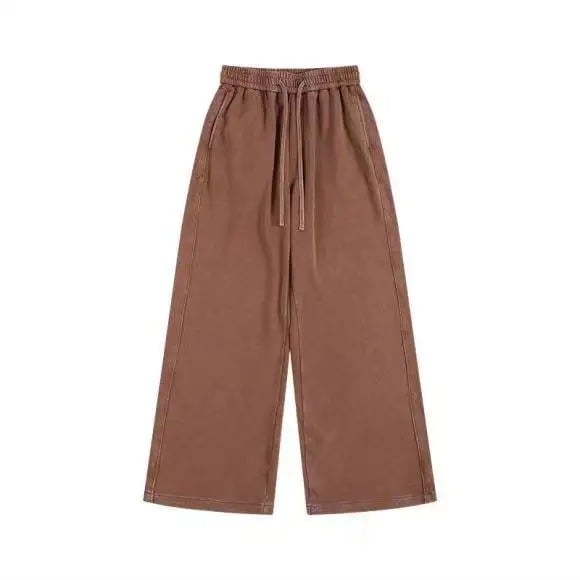
The apparel screen printing industry represents a cornerstone of modern garment manufacturing, driving both innovation and customization across global markets. Apparel screen printing combines precision, artistry, and industrial efficiency to transform blank garments into branded products that consumers recognize and value. For manufacturers navigating today's competitive landscape, understanding apparel screen printing capabilities, market trends, and implementation strategies is essential to maintaining production quality while meeting diverse customer demands. This market overview explores how apparel screen printing reshapes manufacturing operations, influences supply chain decisions, and creates competitive advantages for producers worldwide.
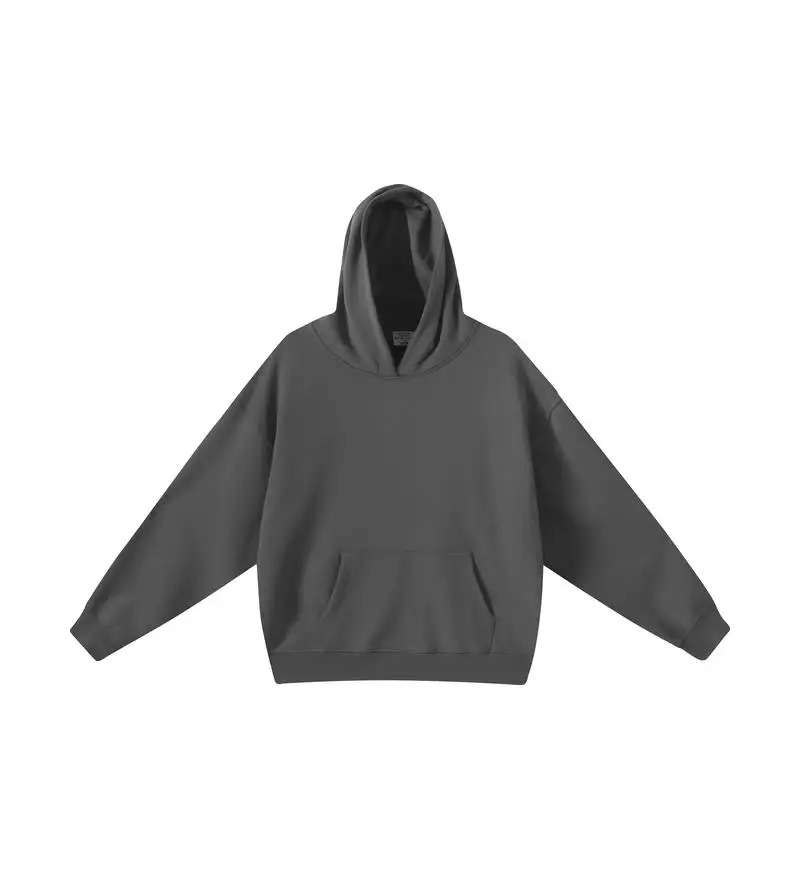
Apparel screen printing has evolved from a niche decoration method to a dominant production process within the garment industry. Manufacturers invest heavily in apparel screen printing equipment, workforce training, and quality systems to capture growing demand for customized apparel, corporate uniforms, and branded merchandise. The decision to integrate apparel screen printing into production workflows directly impacts profitability, turnaround times, and customer satisfaction. Understanding this market landscape enables producers to make informed technology investments and operational decisions.
Market Drivers and Industry Demand for Apparel Screen Printing
Rising Demand for Customized Garments
The apparel screen printing market grows as brands and organizations increasingly seek customized garments rather than generic stock items. Apparel screen printing enables manufacturers to deliver personalized designs, corporate logos, and limited-edition artwork that differentiate products in crowded retail environments. Small businesses, enterprises, and e-commerce platforms now expect reliable apparel screen printing services as standard offerings. This demand surge creates sustained revenue opportunities for manufacturers who optimize their apparel screen printing processes and maintain competitive pricing.
Corporate and Promotional Merchandise Growth
Corporate apparel programs and promotional merchandise campaigns represent significant revenue streams fueled by apparel screen printing capabilities. Companies invest in branded uniforms, employee merchandise, and promotional products bearing company logos and messaging. Apparel screen printing delivers the durability, color accuracy, and brand consistency these applications require. Manufacturers with advanced apparel screen printing technology attract corporate clients seeking large-volume, long-term partnerships, creating stable demand cycles and repeat business opportunities.
Technical Capabilities and Production Efficiency
Apparel Screen Printing Process and Workflow
Apparel screen printing operates through a multi-stage workflow that requires precision, training, and quality control. The process begins with design digitization and screen preparation, where artwork is transferred onto specialized mesh screens using photographic techniques. During production, apparel screen printing applies ink layers systematically, with each color requiring a separate screen pass. Manufacturers using modern apparel screen printing systems automate this workflow, reducing manual labor while increasing throughput and consistency. Understanding this technical foundation helps buyers evaluate manufacturer capabilities and anticipate production timelines for apparel screen printing orders.
Color Accuracy and Design Complexity
Advanced apparel screen printing systems now accommodate multi-color designs, photographic reproductions, and intricate branding elements previously impossible with traditional methods. Manufacturers skilled in apparel screen printing manage color registration, ink viscosity, and curing temperatures to achieve professional results across diverse garment types. The technical precision required in apparel screen printing directly correlates with production costs and minimum order quantities. Brands seeking sophisticated designs must partner with manufacturers demonstrating proven expertise in complex apparel screen printing applications and quality assurance protocols.
Market Segmentation and Manufacturing Specialization
Volume Tiers and Customization Economics
The apparel screen printing market segments into distinct volume categories, each with unique economic models and production requirements. High-volume apparel screen printing operations target mass-market retail, licensed merchandise, and corporate uniform programs, leveraging automation to minimize per-unit costs. Medium-volume apparel screen printing serves regional brands, athletic teams, and small-to-medium businesses seeking customized products with reasonable lead times. Small-batch apparel screen printing caters to boutique brands, limited editions, and direct-to-consumer operations where design flexibility outweighs cost efficiency. Manufacturers choose apparel screen printing investments based on target market positioning and volume forecasts.
Apparel Categories and Material Considerations
Different apparel categories demand specialized approaches to apparel screen printing, including t-shirts, polo shirts, hoodies, jackets, and performance wear. Cotton-based garments remain the primary focus for apparel screen printing due to ink adhesion and durability characteristics. However, synthetic blends and moisture-wicking fabrics increasingly require formulated ink systems and modified curing processes. Manufacturers optimizing apparel screen printing workflows develop category-specific expertise, enabling them to command premium pricing for technically demanding applications. Understanding fabric compatibility directly influences apparel screen printing success rates and customer satisfaction.
Quality Standards and Compliance in Apparel Screen Printing
Durability and Wash Fastness Requirements
Apparel screen printing quality directly impacts product lifespan and customer perception, making durability testing essential. High-performance apparel screen printing withstands repeated washing, fading, and mechanical stress without cracking or peeling. Manufacturers invest in commercial washers and standardized testing protocols to verify apparel screen printing durability against industry benchmarks. Brand owners increasingly demand wash-fastness certifications for apparel screen printing applications, particularly in corporate and retail sectors. Producing reliable apparel screen printing results requires quality management systems, supplier partnerships for premium inks, and process documentation.
Environmental and Safety Compliance
Modern apparel screen printing must navigate environmental regulations, chemical safety requirements, and worker protection standards across jurisdictions. Water-based ink systems for apparel screen printing offer sustainability advantages over solvent-based alternatives, reducing environmental impact and workplace hazards. Manufacturers adopting eco-friendly apparel screen printing practices attract environmentally conscious brands and meet emerging regulatory requirements. Compliance investments in ventilation systems, waste management, and safety training increase operational costs but protect brand reputation and ensure sustainable apparel screen printing practices aligned with global standards.
Strategic Partnerships and Technology Integration
ODM and OEM Models in Apparel Screen Printing
Original Design Manufacturing (ODM) and Original Equipment Manufacturing (OEM) models enable brands to leverage specialized apparel screen printing capabilities without internal infrastructure. Brands provide specifications and designs, while manufacturers execute apparel screen printing production using optimized workflows and established quality standards. This partnership model reduces capital expenditure, accelerates time-to-market, and ensures consistent apparel screen printing quality across large orders. Manufacturers offering ODM and OEM services combine technical expertise with supply chain agility, creating competitive advantages through specialized apparel screen printing knowledge.
Digital Integration and Design Workflow
Modern apparel screen printing increasingly integrates digital design tools, order management systems, and production tracking platforms. Manufacturers investing in digital workflows for apparel screen printing reduce design iterations, minimize errors, and communicate production status transparently. Cloud-based design approval systems enable remote collaboration, accelerating product development cycles for apparel screen printing projects. This technological convergence positions forward-thinking manufacturers as strategic partners capable of managing complex apparel screen printing initiatives from concept through delivery.
Market Challenges and Future Outlook
Labor Costs and Automation Trends
Rising labor costs in traditional manufacturing regions drive automation investments in apparel screen printing equipment and processes. Automated apparel screen printing systems reduce labor dependency, improve consistency, and increase capacity without proportional cost increases. However, highly customized, short-run apparel screen printing orders still require skilled manual intervention and design expertise. Manufacturers balancing automation and craftsmanship within apparel screen printing operations gain competitive positioning across diverse market segments and production volumes.
Sustainability and Innovation Drivers
Sustainability concerns reshape apparel screen printing practices, driving innovation toward water-based inks, reduced chemical waste, and recyclable packaging solutions. Brands increasingly demand apparel screen printing methods demonstrating environmental responsibility and social compliance. Manufacturers pioneering sustainable apparel screen printing technologies establish brand differentiation and attract environmentally conscious partners. Future growth in the apparel screen printing market depends on balancing production efficiency with environmental stewardship and continuous process innovation.
FAQ
What is the minimum order quantity for apparel screen printing services?
Minimum order quantities for apparel screen printing vary significantly based on manufacturer capabilities, setup costs, and production methods. High-volume apparel screen printing facilities typically require 100–500 units per design to justify screen preparation and setup expenses. Boutique manufacturers specializing in short-run apparel screen printing may accept orders as small as 12–24 units with premium per-unit pricing. Discussing minimum thresholds with apparel screen printing providers ensures alignment between project budgets and production capabilities.
How does apparel screen printing compare to other decoration methods?
Apparel screen printing offers superior durability, vibrant colors, and cost-effectiveness for volume production compared to embroidery or direct-to-garment printing. Apparel screen printing excels with bold graphic designs and corporate logos but requires higher setup investments and minimum quantities. Direct-to-garment printing accommodates smaller batches and photorealistic designs but costs more per unit. Embroidery provides texture and premium aesthetics but faces design limitations. Choosing between these methods depends on design complexity, budget, volume, and durability requirements for apparel screen printing applications.
What turnaround time should brands expect for apparel screen printing projects?
Standard apparel screen printing turnaround times range from 5–10 business days after design approval, depending on production volume and manufacturer scheduling. Rush apparel screen printing services compress timelines to 2–3 days but incur expedited fees and may compromise capacity for other orders. Complex multi-color apparel screen printing designs require longer production timelines due to additional screen preparation and curing stages. Brands planning apparel screen printing campaigns should discuss realistic deadlines early to establish feasible production schedules and avoid premium rush charges.
Table of Contents
- Market Drivers and Industry Demand for Apparel Screen Printing
- Technical Capabilities and Production Efficiency
- Market Segmentation and Manufacturing Specialization
- Quality Standards and Compliance in Apparel Screen Printing
- Strategic Partnerships and Technology Integration
- Market Challenges and Future Outlook
- FAQ