
 EN
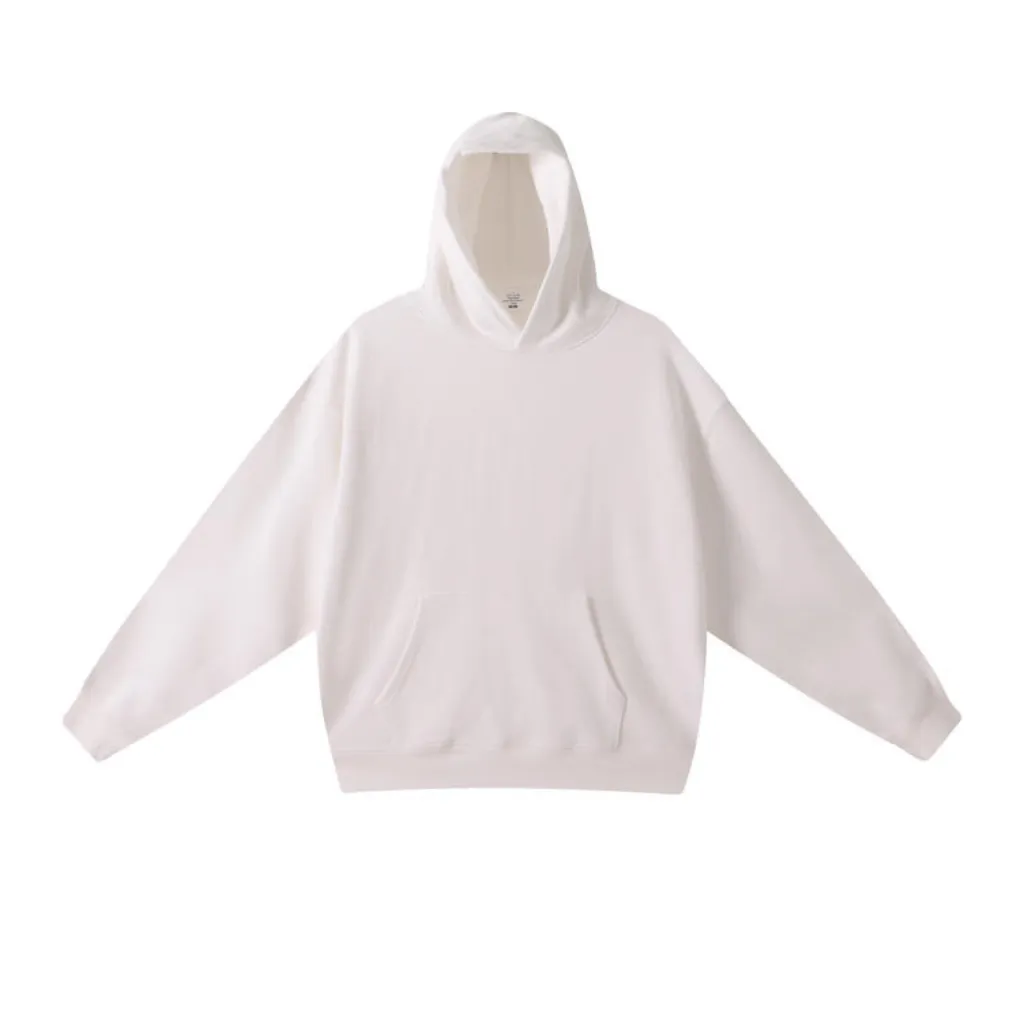
The domestic apparel industry remains a cornerstone of manufacturing excellence in North America, yet many brands struggle to understand what distinguishes american clothing manufacturers from overseas alternatives. Whether you're building a new line, reshoring production, or seeking premium domestic quality, understanding the landscape of american clothing manufacturers is essential for informed sourcing decisions. American clothing manufacturers bring regulatory compliance, transparent supply chains, proximity advantages, and often specialized expertise that shapes product quality from conception through final delivery.
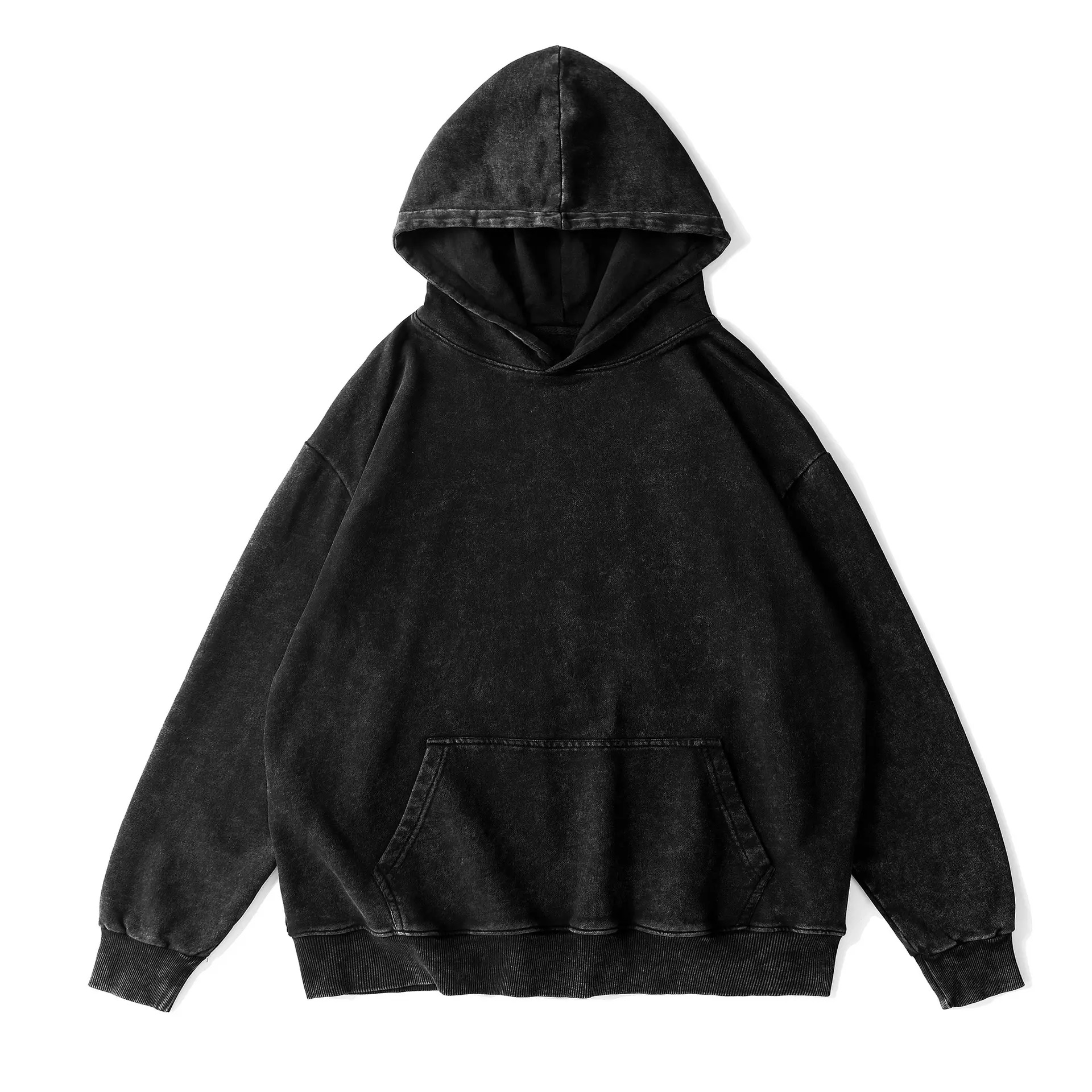
American clothing manufacturers operate within a rigorous framework of federal labor laws, environmental standards, and quality assurance protocols that fundamentally impact final product standards. Understanding how american clothing manufacturers structure production, manage material sourcing, and maintain consistency will help you evaluate fit with your brand requirements. This primer explores the key quality dimensions, operational strengths, and decision factors that define modern american clothing manufacturers.
Quality Standards and Compliance Excellence
Regulatory Framework and Certifications
American clothing manufacturers must comply with extensive federal regulations including the Fair Labor Standards Act, Occupational Safety and Health Administration (OSHA) guidelines, and environmental protection requirements that directly influence production practices. Unlike many international suppliers, american clothing manufacturers operate under consistent domestic oversight that reduces compliance risk and supply chain uncertainty. Certifications such as SA8000, WRAP (Worldwide Responsible Accredited Production), and industry-specific standards become competitive differentiators among american clothing manufacturers, signaling commitment to ethical practices and quality assurance.
Material testing requirements, flammability standards, and chemical restriction compliance are non-negotiable for american clothing manufacturers serving the US market. These regulatory demands create higher baseline quality standards across american clothing manufacturers compared to regions with looser oversight. Traceability systems mandated for many domestic facilities mean american clothing manufacturers can document supply chains with precision, a critical advantage for brands facing consumer scrutiny or regulatory audits.
Quality Assurance Systems
Modern american clothing manufacturers implement multi-stage quality control protocols including incoming material inspection, in-process monitoring, and final garment assessment before shipment. Statistical process control, automated defect detection, and third-party auditing are standard practices among established american clothing manufacturers seeking to maintain reputation and minimize returns. Advanced american clothing manufacturers invest in laboratory testing for shrinkage, colorfastness, seam strength, and dimensional consistency, ensuring products meet or exceed industry benchmarks.
Documentation and traceability systems distinguish quality-focused american clothing manufacturers from lower-cost alternatives. Each batch produced by reputable american clothing manufacturers generates comprehensive records linking fabric lots, dye runs, pattern specifications, and inspector sign-offs to finished goods. This documentation becomes invaluable for brands managing recalls, investigating quality issues, or responding to customer complaints about american clothing manufacturers' output.
Production Capabilities and Specialization
Technical Expertise and Customization
American clothing manufacturers often specialize in technical categories including performance wear, structured garments, complex construction, and custom finishing that require sophisticated equipment and skilled labor. Many american clothing manufacturers have invested in digitized pattern systems, computerized cutting, and precision sewing technology that enables rapid prototyping and small-batch production. The ability to quickly iterate designs and accommodate brand-specific requests is a hallmark advantage of american clothing manufacturers over mass-production facilities abroad.
American clothing manufacturers serving niche markets—such as specialized workwear, medical apparel, or performance sportswear—bring deep category knowledge and established supplier networks for compliance-critical materials. These american clothing manufacturers have spent years cultivating relationships with mills, notions suppliers, and testing laboratories, reducing lead times and ensuring consistent access to quality inputs. For brands requiring american clothing manufacturers with deep customization capability, this embedded expertise translates to faster development cycles and fewer revisions.
Production Volume and Minimum Order Quantities
American clothing manufacturers typically operate at smaller scales than massive overseas production hubs, making them more accessible for emerging brands and limited-edition collections. Minimum order quantities (MOQs) at american clothing manufacturers often range from 500 to 2,500 units per style, compared to 5,000+ unit minimums at many international facilities. This flexibility allows brands to test market demand, iterate on successful styles, and avoid overstock without committing to massive inventory investments through american clothing manufacturers.
Lead times from american clothing manufacturers are significantly compressed compared to overseas sourcing, typically 6 to 12 weeks from order to delivery rather than 12 to 16 weeks including port delays. Domestic american clothing manufacturers enable faster response to seasonal demand shifts and reduce working capital tied up in extended supply chains. For fashion-forward brands and those managing trend sensitivity, american clothing manufacturers provide strategic agility that international sourcing cannot match.
Supply Chain Transparency and Partnership Dynamics
Nearshoring and Communication Advantage
Working with american clothing manufacturers eliminates time zone barriers, cultural misinterpretations, and communication delays that plague international sourcing relationships. Face-to-face facility visits, real-time problem solving, and direct consultation with sample makers and production managers are logistical advantages of american clothing manufacturers. This proximity enables brands to visit facilities, observe production firsthand, and build collaborative relationships with american clothing manufacturers in ways that distance-based sourcing cannot replicate.
American clothing manufacturers increasingly embrace collaborative approaches to product development, sharing cost and risk insights that help brands optimize designs for manufacturability and profitability. Open communication cultures at many american clothing manufacturers foster innovation partnerships where brands and manufacturers jointly solve technical challenges. This collaborative model distinguishes quality-focused american clothing manufacturers from transactional, arm's-length relationships common in offshore sourcing.
Material Sourcing and Sustainability
American clothing manufacturers sourcing materials domestically or from vetted regional suppliers benefit from transparent supply chains and reduced environmental impact from logistics. Many american clothing manufacturers are adopting sustainable practices including waterless dyeing technologies, organic and recycled material integration, and waste reduction programs that appeal to environmentally conscious brands. These sustainability initiatives among american clothing manufacturers are often driven by regional environmental regulations and consumer expectations within North American markets.
Brands partnering with american clothing manufacturers gain visibility into material origins, labor practices, and environmental footprints—information increasingly demanded by conscious consumers and retailers. Certifications for sustainable practices, fair labor compliance, and responsible sourcing carry greater credibility when backed by american clothing manufacturers operating under domestic oversight. This transparency advantage positions american clothing manufacturers as strategic partners aligned with brand values, not merely cost-driven production vendors.
FAQ
What is the typical cost premium for products from american clothing manufacturers versus overseas production?
American clothing manufacturers typically cost 15 to 40 percent more than offshore mass-production facilities, primarily due to higher labor costs, regulatory compliance investments, and smaller production scales. However, this premium should be evaluated against reduced quality issues, faster time-to-market, minimal revisions, lower inventory risk, and simplified supply chain management that american clothing manufacturers provide. For brands serving premium segments or managing trend-sensitive collections, the total cost of ownership—including reduced markdowns and returns—often favors american clothing manufacturers despite higher unit costs.
Can american clothing manufacturers handle large-scale production runs for established brands?
Many established american clothing manufacturers operate multiple facilities and partner with contract manufacturers to scale production for large orders. However, american clothing manufacturers are generally better suited for mid-scale production (5,000 to 50,000 units per season) rather than multi-million-unit annual commitments. Brands requiring massive scale at lowest cost will typically continue sourcing internationally, while those prioritizing quality, customization, and supply chain control will find american clothing manufacturers increasingly capable of supporting significant volume requirements.
How do american clothing manufacturers ensure ethical labor practices?
American clothing manufacturers operate under federal labor laws mandating minimum wage, overtime regulations, workplace safety standards, and worker compensation insurance—requirements that create a compliance floor absent in many overseas facilities. Third-party audits, worker grievance systems, and union representation (in some cases) provide additional accountability layers among american clothing manufacturers. Brands seeking documented ethical manufacturing can verify compliance through facility audits, certification review, and direct observation in ways that american clothing manufacturers make significantly more transparent and accessible than distant offshore production.