
 EN
EN
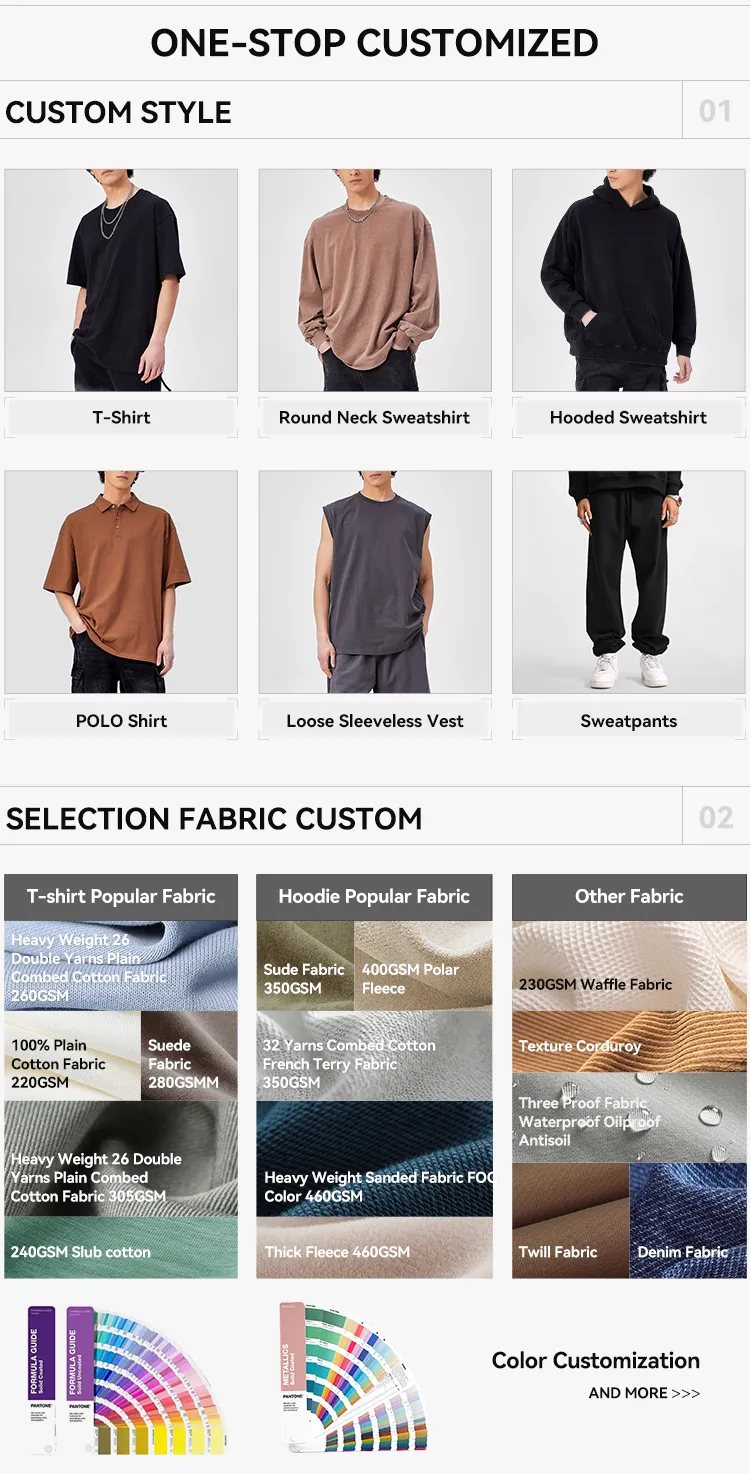
The urban streetwear manufacturer landscape has transformed dramatically over the past decade, reflecting evolving consumer preferences and technological innovations in fashion production. An urban streetwear manufacturer today operates within a complex ecosystem where sustainability, digital design, and cultural authenticity intersect with traditional craftsmanship. Understanding the current trajectory of the urban streetwear manufacturer sector reveals critical insights for brands seeking to stay competitive in the rapidly changing apparel industry.

Modern urban streetwear manufacturer operations prioritize agility, cultural responsiveness, and production efficiency. The urban streetwear manufacturer sector now emphasizes small-batch production capabilities, direct-to-consumer channels, and collaborative design models that blur traditional boundaries between artist and producer. These shifts reflect how today's urban streetwear manufacturer responds to consumer demand for authenticity, exclusivity, and transparent supply chain practices.
Digital Innovation and Production Efficiency
Advanced Design and Prototyping Technologies
Contemporary urban streetwear manufacturer enterprises increasingly adopt digital design platforms and 3D visualization tools to accelerate development cycles. An urban streetwear manufacturer leveraging computer-aided design can iterate designs rapidly, reduce sampling waste, and respond to trend signals with unprecedented speed. This technological shift allows the urban streetwear manufacturer to move from conceptualization to market-ready prototypes in weeks rather than months, fundamentally changing competitive dynamics within the sector.
The integration of artificial intelligence in production planning further enhances how an urban streetwear manufacturer manages inventory and forecasts demand. Advanced analytics enable the urban streetwear manufacturer to predict consumer preferences based on social media signals, cultural movements, and emerging style patterns. This data-driven approach distinguishes a forward-thinking urban streetwear manufacturer from competitors relying on traditional forecasting methods.
Supply Chain Transparency and Automation
Today's urban streetwear manufacturer faces mounting pressure to demonstrate supply chain transparency and ethical production practices. Blockchain technology and digital traceability systems allow an urban streetwear manufacturer to document material sourcing, production steps, and shipping logistics in verifiable ways. This transparency resonates strongly with consumers who increasingly value knowing exactly how their garments are created, making supply chain visibility a competitive advantage for the urban streetwear manufacturer.
Automation in cutting, sewing, and finishing operations enables the urban streetwear manufacturer to maintain quality consistency while managing labor costs effectively. Robotic systems and computerized equipment allow an urban streetwear manufacturer to produce intricate designs with precision that manual processes cannot achieve consistently. The urban streetwear manufacturer that strategically combines automation with skilled artisanal techniques often achieves optimal balance between efficiency and creative authenticity.
Sustainability and Material Innovation
Eco-Conscious Production Practices
Sustainability has become a defining characteristic of the leading urban streetwear manufacturer, driven by both regulatory requirements and shifting consumer values. An urban streetwear manufacturer committed to environmental responsibility now sources organic cotton, recycled polyester, and innovative bio-based materials for collection development. The urban streetwear manufacturer that prioritizes sustainable practices attracts environmentally conscious consumers and builds brand loyalty that transcends typical transaction-based relationships.
Water reduction, chemical management, and waste minimization represent core operational concerns for the contemporary urban streetwear manufacturer. An urban streetwear manufacturer implementing closed-loop dyeing processes and waterless finishing techniques significantly reduces environmental footprint while often improving product quality. The urban streetwear manufacturer embracing these practices positions itself as a responsible industry leader capable of meeting future regulatory standards and consumer expectations.
Innovative Fabric Development
The urban streetwear manufacturer increasingly collaborates with textile innovators to develop performance-oriented fabrics that align with street culture aesthetics. Moisture-wicking treatments, durability enhancements, and comfort technologies now define offerings from an advanced urban streetwear manufacturer. The urban streetwear manufacturer that invests in proprietary fabric development creates differentiation through tactile experience and functional benefits that justify premium positioning.
Reclaimed and deadstock material utilization represents another trend gaining momentum within the urban streetwear manufacturer community. An urban streetwear manufacturer sourcing quality surplus fabrics from textile mills reduces waste while achieving cost efficiencies that enable competitive pricing. This circular approach demonstrates how the urban streetwear manufacturer can simultaneously address environmental concerns and economic viability.
Cultural Authenticity and Direct Community Connection
Artist Collaboration and Limited-Edition Models
The successful urban streetwear manufacturer maintains deep roots within hip-hop culture, visual art communities, and street style subcultures that inform design direction. An urban streetwear manufacturer partnering with local artists, musicians, and cultural influencers generates authentic collections that resonate with target audiences. The urban streetwear manufacturer that treats collaboration as genuine creative partnership rather than transactional marketing achieves storytelling depth and community trust that competitors struggle to replicate.
Limited-edition releases have become fundamental to how an urban streetwear manufacturer builds demand and maintains cultural relevance. Strategic scarcity, exclusive drops, and numbered collections allow the urban streetwear manufacturer to generate urgency while maintaining premium brand perception. The urban streetwear manufacturer orchestrating drops across multiple platforms creates hype cycles that extend brand visibility far beyond traditional advertising reach.
Direct-to-Consumer Engagement Strategies
Modern urban streetwear manufacturer brands increasingly bypass traditional retail intermediaries to establish direct relationships with consumers through online platforms and pop-up experiences. An urban streetwear manufacturer operating its own e-commerce infrastructure captures valuable customer data while building community identity around brand narrative. The urban streetwear manufacturer that engages customers through social media, exclusive communities, and interactive experiences creates loyalty mechanisms that transform customers into brand ambassadors.
Pop-up stores and experiential retail represent how the contemporary urban streetwear manufacturer bridges digital and physical commerce. These temporary installations allow an urban streetwear manufacturer to create immersive brand experiences, facilitate direct customer feedback, and generate authentic social media content. The urban streetwear manufacturer leveraging this strategy builds emotional connections that drive repeat purchasing and word-of-mouth promotion within target communities.
FAQ
What distinguishes a leading urban streetwear manufacturer from mass-market competitors?
Leading urban streetwear manufacturer enterprises prioritize cultural authenticity, production agility, and transparent supply chains over volume-based economies. An urban streetwear manufacturer maintaining close community connections, investing in innovative materials, and maintaining consistent design philosophy builds brand equity that commands premium positioning. The urban streetwear manufacturer differentiating through storytelling, limited production runs, and genuine artistic collaboration creates competitive moats that protect profitability and market position.
How do current trends influence urban streetwear manufacturer production timelines?
Contemporary trends push the urban streetwear manufacturer toward shorter design cycles, rapid prototyping, and responsive production capabilities. Digital design tools and advanced manufacturing technologies enable an urban streetwear manufacturer to compress timelines from six months to weeks without sacrificing quality. The urban streetwear manufacturer that maintains production flexibility while preserving design integrity gains significant competitive advantage in trend-responsive market segments.
Are sustainability practices economically viable for the urban streetwear manufacturer?
Yes, sustainability represents both ethical imperative and economic opportunity for the forward-thinking urban streetwear manufacturer. An urban streetwear manufacturer investing in efficient production processes, waste reduction, and material innovation often achieves cost parity with conventional methods while capturing premium pricing from environmentally conscious consumers. The urban streetwear manufacturer recognizing sustainability as brand differentiator rather than cost burden positions itself for long-term profitability and market relevance. Check out urban streetwear manufacturer quality examples that demonstrate these principles in action.