
 EN
EN
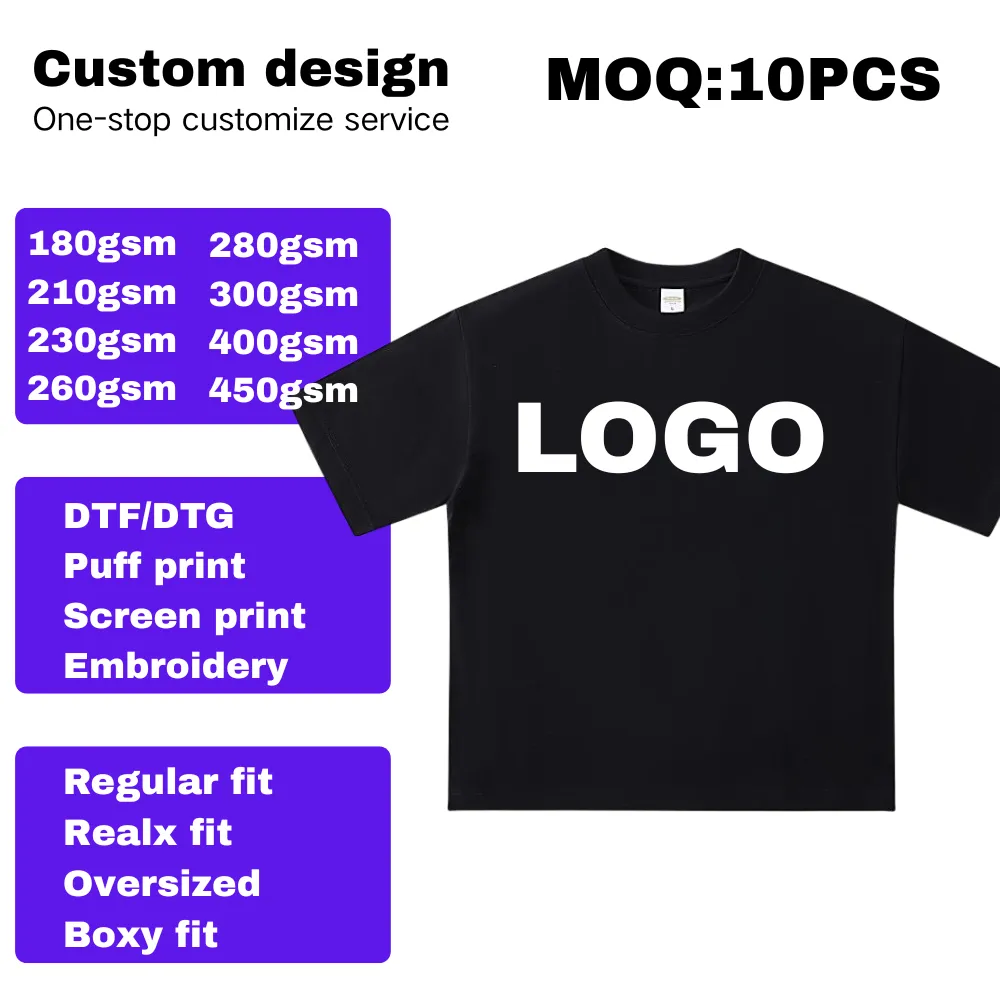
When businesses need branded apparel or merchandise, they face a critical decision between custom t-shirt production and traditional mass production methods. Understanding the differences between these two approaches is essential for making an informed choice that aligns with your budget, timeline, and quality expectations. A custom t-shirt allows you to create unique designs tailored to your specific brand identity, while mass production offers standardized manufacturing at potentially lower per-unit costs. The choice between custom t-shirt solutions and mass production depends on several factors including order volume, design complexity, budget constraints, and desired turnaround time.

The distinction between custom t-shirt production and mass manufacturing extends beyond simple pricing differences. Each approach carries unique advantages and limitations that impact your overall business strategy, brand positioning, and customer satisfaction. By examining key operational, financial, and quality factors, you can determine which method best serves your organization's needs and supports long-term growth objectives.
Cost Structure and Pricing Models
Custom T-Shirt Pricing Dynamics
A custom t-shirt typically involves higher initial setup costs because manufacturers must create unique tooling, screens, or digital production files specifically for your design. When ordering a custom t-shirt in smaller quantities, your per-unit cost will be significantly higher than mass production alternatives. However, custom t-shirt pricing becomes more competitive as order volumes increase, because setup costs are distributed across more units. Businesses that value brand differentiation and unique visual identity often find that custom t-shirt production justifies the premium pricing through enhanced brand recognition and customer loyalty. Understanding the pricing structure of custom t-shirt manufacturing helps you budget accurately and negotiate better rates with production partners.
Mass Production Cost Advantages
Mass production leverages economies of scale by manufacturing standardized designs in enormous quantities, which dramatically reduces per-unit costs. When you do not require custom t-shirt branding or highly specific design elements, mass production offers compelling financial efficiency. Large factories optimize their processes around high-volume standardized output, meaning your custom t-shirt competitors using mass production may undercut pricing significantly. However, mass production requires larger minimum order quantities, often ranging from hundreds to thousands of units, which ties up capital and creates inventory management challenges. For businesses with limited budgets or uncertain demand forecasts, the inflexible volume requirements of mass production can become a significant constraint.
Design Flexibility and Customization
Creative Expression Through Custom T-Shirt Production
One of the primary advantages of choosing custom t-shirt production is the virtually unlimited creative freedom you enjoy. A custom t-shirt can incorporate intricate designs, multiple colors, photographic imagery, complex graphics, and unique placement options that reflect your brand personality precisely. When you invest in custom t-shirt manufacturing, you are not limited by pre-existing inventory or standardized design templates that may not align with your vision. The production process for custom t-shirt orders allows for modifications, adjustments, and refinements up until manufacturing begins, ensuring your final product matches your exact specifications. This flexibility makes custom t-shirt production ideal for special events, limited-edition releases, corporate campaigns, and brand launches where visual differentiation matters.
Standardized Design Constraints in Mass Production
Mass production operates within predetermined design parameters to maintain efficiency and cost control across thousands of units. When choosing mass production instead of custom t-shirt alternatives, manufacturers typically limit color variations, design complexity, and placement options. A standard mass-produced t-shirt may offer limited choices regarding fabric blends, sleeve styles, or graphic techniques, restricting your ability to create truly distinctive apparel. Mass production is well-suited for straightforward designs, solid colors, simple logos, and basic text applications where standardization works to your advantage. If your brand requires complex visual storytelling or sophisticated design elements, mass production limitations may force you to compromise on your original vision compared to custom t-shirt production capabilities.
Quality Standards and Production Control
Quality Assurance in Custom T-Shirt Manufacturing
Custom t-shirt production typically involves closer manufacturer-client collaboration and more stringent quality control procedures tailored to specific design requirements. Manufacturers producing custom t-shirt orders often conduct sample approvals, color matching reviews, and detailed inspections before proceeding with full production runs. Because custom t-shirt projects represent higher-value engagements, manufacturers invest additional resources in quality assurance processes to maintain their reputation and client satisfaction. The smaller batch sizes associated with custom t-shirt production allow manufacturers to identify and correct quality issues before they affect your entire shipment. This hands-on approach to custom t-shirt quality control generally results in superior consistency, fewer defects, and higher overall satisfaction rates compared to mass production standards.
Quality Variability in Mass Production
Mass production facilities prioritize output volume and cost efficiency, sometimes at the expense of granular quality control for individual orders. When manufacturers produce thousands of identical garments daily, quality standards may be less rigorous than they would be for custom t-shirt production runs. Mass production processes rely on statistical sampling and periodic quality checks rather than the item-by-item attention that custom t-shirt manufacturing typically provides. While large manufacturers maintain acceptable quality standards to protect their brand reputation, individual batches may contain more variation, defects, or inconsistencies compared to custom t-shirt alternatives. Businesses requiring exceptional quality or working with premium fabric should carefully evaluate whether mass production quality standards meet their expectations or if custom t-shirt production offers better assurance.
Timeline and Production Scheduling
Custom T-Shirt Production Timelines
Custom t-shirt production timelines typically range from two to four weeks, depending on design complexity, order size, and manufacturer capacity. The initial setup phase for custom t-shirt orders includes design consultation, sample creation, color approval, and tooling preparation, which extends the overall timeline compared to mass production. However, experienced custom t-shirt manufacturers can expedite timelines for rush orders, though this usually involves additional fees. Because custom t-shirt production involves personalized attention and tailored workflows, scheduling is more flexible and accommodates specific deadline requirements better than mass production. Businesses planning seasonal campaigns, event-specific merchandise, or time-sensitive promotions can leverage custom t-shirt production's adaptability to meet precise launch dates.
Mass Production Timeline Constraints
Mass production facilities operate on fixed production schedules optimized for maximum throughput, which means your custom t-shirt order competes for factory capacity with numerous other clients. Typical mass production timelines range from four to eight weeks or longer, as factories batch orders and process them sequentially rather than individually. Because mass production requires enormous minimum quantities, manufacturers cannot afford scheduling flexibility without significantly impacting their operational efficiency. If your project requires quick turnaround or involves last-minute design changes, mass production becomes problematic because factories have already committed production capacity to other projects. Conversely, if you can work within standard lead times and do not need rush delivery, mass production timelines are generally predictable and reliable for planning purposes.
FAQ
What is the minimum order quantity for custom t-shirt production versus mass production?
Custom t-shirt manufacturers typically accept orders starting from fifty to two hundred units, allowing smaller businesses and organizations to access personalized production. Mass production facilities usually require minimum orders of five hundred to five thousand units to justify their operational setup and maintain cost efficiency. This difference makes custom t-shirt production accessible for startups, nonprofits, and small enterprises that cannot commit to massive volume requirements. If you need branded apparel in smaller quantities, custom t-shirt production provides the only practical option for achieving your branding goals without excessive inventory burden.
How does ordering a custom t-shirt compare to mass production in terms of sustainability?
Custom t-shirt production generates less textile waste because you manufacture only what you need, avoiding overproduction and inventory obsolescence. Mass production often results in excess inventory that may never sell, ultimately ending up in landfills and representing wasted resources and environmental impact. By choosing custom t-shirt manufacturing aligned with actual demand forecasts, you reduce your environmental footprint compared to mass production's inherent overproduction tendency. Additionally, many custom t-shirt manufacturers are adopting sustainable practices including organic cotton, water-efficient dyeing, and ethical labor standards that may exceed mass production facilities' environmental commitments.
Can you modify a design after ordering a custom t-shirt but before production begins?
Yes, custom t-shirt manufacturers typically allow design modifications during the pre-production phase, including sample approvals and color adjustments. Once production equipment is set up and mass production begins, making changes becomes impossible or extremely costly because factories have already committed resources to the standardized process. This flexibility represents a significant advantage of custom t-shirt production, allowing you to refine your vision based on sample reviews and stakeholder feedback. Many manufacturers include revision rounds in their custom t-shirt services, ensuring your final product aligns perfectly with your specifications before committing to full production runs.