
 EN
EN
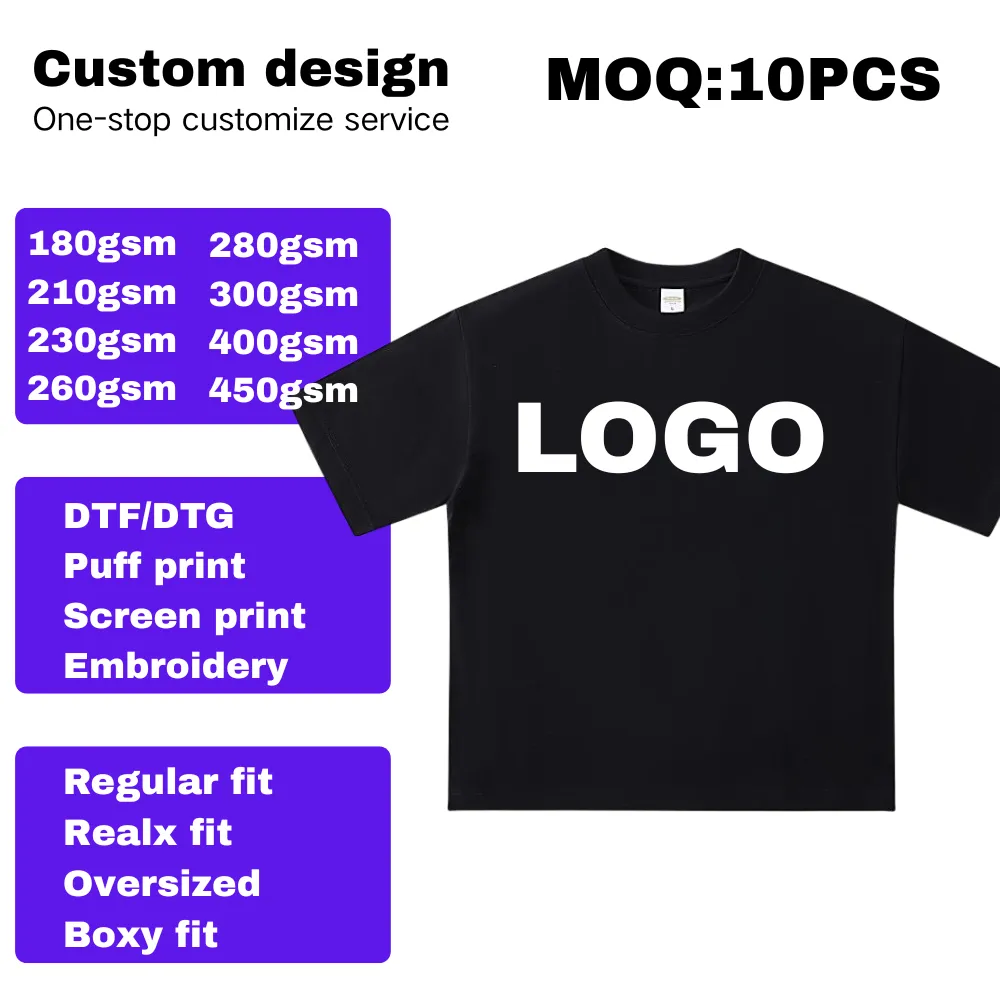
Custom t-shirt branding has become a cornerstone strategy for businesses seeking to build brand identity and foster customer loyalty. However, the landscape of custom t-shirt branding continues to evolve, presenting organizations with increasingly complex obstacles. From quality control inconsistencies to supply chain disruptions, the challenges in custom t-shirt branding demand strategic attention and innovative solutions. Brands today must navigate a multifaceted terrain where consumer expectations clash with production realities, making it essential to understand these pain points before launching any custom t-shirt branding initiative.
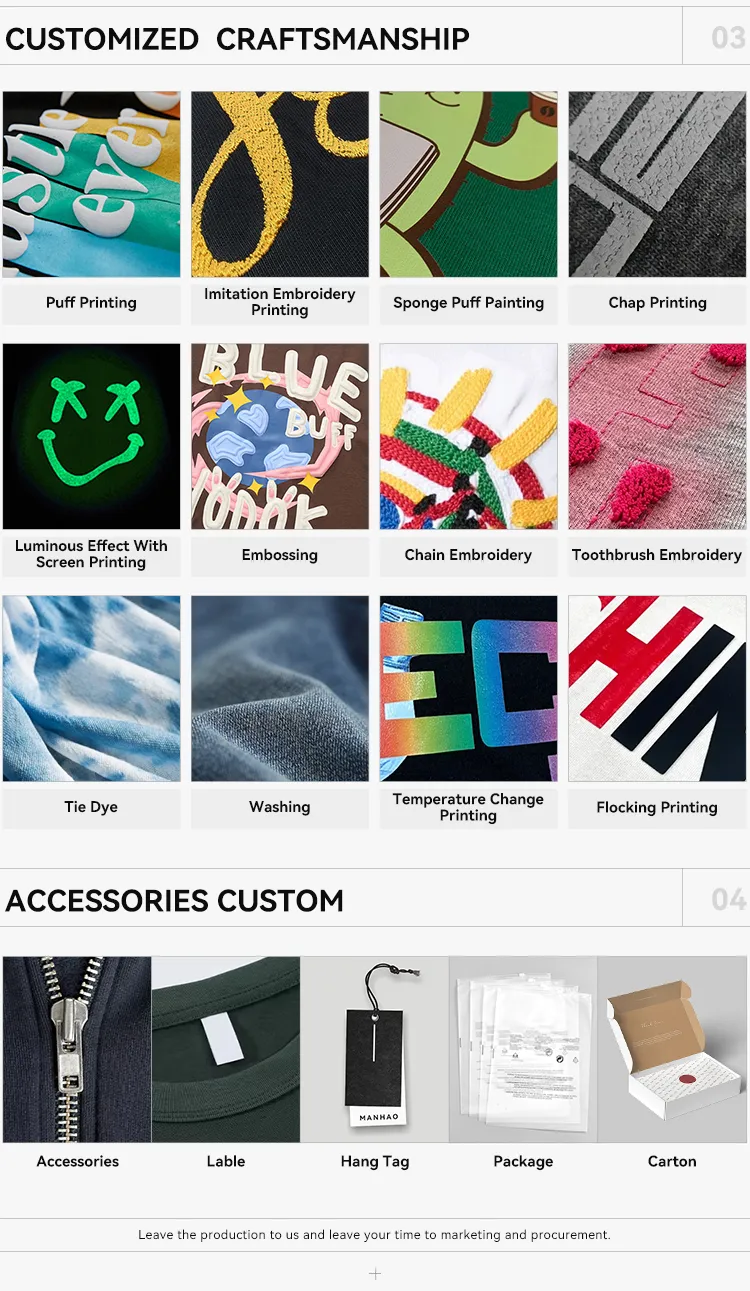
The complexity of modern custom t-shirt branding extends beyond simple design and printing. Today's market demands rapid turnaround times, sustainable practices, and exceptional quality standards. Companies investing in custom t-shirt branding must balance cost efficiency with premium product delivery while maintaining consistency across different production batches. Understanding the specific challenges in custom t-shirt branding helps businesses make informed decisions about their apparel strategy and partner selection.
Production Quality and Consistency Issues
Variability in Print Quality and Durability
One of the most persistent challenges in custom t-shirt branding is maintaining consistent print quality across production runs. When brands commit to custom t-shirt branding, they expect uniformity in color accuracy, ink saturation, and print longevity. Variations in fabric composition, humidity levels, and equipment calibration can create significant disparities between samples and final batches. The challenges in custom t-shirt branding become apparent when fade resistance differs substantially, or color matching fails to meet brand specifications across multiple orders.
Different printing technologies present distinct advantages and limitations for custom t-shirt branding projects. Screen printing offers excellent durability but struggles with complex color gradients, while direct-to-garment printing enables intricate designs but may compromise longevity. Manufacturers employing outdated equipment or inadequate quality assurance protocols create a hidden challenge in custom t-shirt branding that damages brand reputation over time. Choosing partners with rigorous testing and quality verification systems becomes crucial for mitigating these challenges in custom t-shirt branding.
Fabric and Material Sourcing Challenges
Securing reliable, high-quality fabric supplies represents another critical dimension of challenges in custom t-shirt branding. Raw material inconsistencies directly impact the final product's appearance, comfort, and longevity. Brands pursuing custom t-shirt branding initiatives often encounter difficulties sourcing sustainable fabrics that align with corporate social responsibility goals while maintaining affordability. Supply chain disruptions have intensified challenges in custom t-shirt branding by creating fabric availability bottlenecks and price volatility.
Environmental regulations continue to reshape fabric availability and costs, adding complexity to custom t-shirt branding procurement strategies. Manufacturers must navigate increasingly stringent compliance requirements while maintaining competitive pricing. The challenges in custom t-shirt branding extend to managing multiple fabric grades and ensuring that bulk orders receive consistent material specifications. Partner transparency and traceability become essential when addressing these foundational challenges in custom t-shirt branding.
Design Customization and Time-to-Market Pressures
Balancing Creative Vision with Production Constraints
Custom t-shirt branding thrives on creative differentiation, yet production realities often constrain design possibilities. Complex designs with multiple colors and intricate details increase production complexity and timelines. Brands implementing custom t-shirt branding frequently discover that their ideal designs exceed equipment capabilities or require prohibitively expensive production processes. The challenges in custom t-shirt branding emerge when marketers envision elaborate designs that manufacturers cannot economically produce at scale.
Design-to-production workflow inefficiencies compound these challenges in custom t-shirt branding. Communication gaps between creative teams and manufacturing partners lead to misaligned expectations and costly revisions. Brands pursuing custom t-shirt branding need collaborative platforms and clear specification protocols to bridge creative ambition with manufacturing feasibility. Without proper design validation processes, challenges in custom t-shirt branding manifest as rejected batches, delays, and budget overruns.
Meeting Aggressive Launch Timelines
Market dynamics demand rapid product launches, intensifying challenges in custom t-shirt branding timelines. Seasonal campaigns, promotional events, and competitive pressures compress production schedules significantly. Custom t-shirt branding initiatives must accommodate short lead times without sacrificing quality, creating tension between speed and excellence. Manufacturers lacking efficient workflows and experienced teams struggle to address challenges in custom t-shirt branding when tight deadlines force rushed production decisions.
The challenges in custom t-shirt branding accelerate when last-minute design changes disrupt established timelines. Brands need manufacturing partners capable of flexible scheduling and rapid prototyping to navigate these pressures effectively. Investment in technology-enabled solutions and experienced production teams becomes essential for mitigating challenges in custom t-shirt branding under time constraints. Companies underestimating these logistical challenges in custom t-shirt branding risk missed campaign windows and damaged market positioning.
Scalability, Cost Management, and Market Competition
Achieving Cost Efficiency at Scale
Scaling custom t-shirt branding operations introduces economic complexities that challenge profitability. Unit costs decrease incrementally as production volume increases, yet minimum order quantities often prevent small-to-medium businesses from accessing favorable pricing. The challenges in custom t-shirt branding intensify when companies must choose between holding inventory or accepting higher per-unit costs. Strategic cost management within custom t-shirt branding requires deep understanding of production economics and supply chain optimization.
Customization inherently resists commoditization, making cost control difficult for custom t-shirt branding initiatives. Fixed setup costs and smaller batch sizes elevate unit expenses compared to commodity apparel production. Brands addressing challenges in custom t-shirt branding must identify manufacturing partners offering flexible volume arrangements and progressive pricing models. Hidden costs in custom t-shirt branding, including design development, quality control, and logistics, often exceed initial estimates when proper planning lacks.
Competitive Differentiation and Market Saturation
The apparel market's accessibility has democratized custom t-shirt branding, yet simultaneously created intense competitive saturation. Established and emerging competitors employ similar printing technologies and design approaches, eroding differentiation advantages. The challenges in custom t-shirt branding intensify as consumers encounter countless branded merchandise options, demanding exceptional quality, unique aesthetics, and compelling value propositions. Brands must transcend basic customization to truly succeed in custom t-shirt branding environments.
Addressing challenges in custom t-shirt branding requires strategic differentiation through superior quality, innovative design, sustainable practices, or exceptional service delivery. Brands leveraging custom t-shirt branding solutions that emphasize environmental responsibility, artisanal craftsmanship, or technological innovation can establish meaningful competitive advantages. Market research and consumer insight drive successful custom t-shirt branding strategies that transcend commodity competition. Companies investing in differentiation address fundamental challenges in custom t-shirt branding by creating compelling reasons for customer preference.
FAQ
What are the main quality challenges in custom t-shirt branding?
The primary quality challenges in custom t-shirt branding include print durability inconsistencies, color matching variations across batches, fabric composition variability, and inadequate quality control processes. Manufacturers using outdated printing equipment or minimal quality assurance protocols often deliver inconsistent results. Addressing challenges in custom t-shirt branding requires partnering with manufacturers employing rigorous testing, modern equipment, and comprehensive quality verification systems throughout production.
How can brands reduce time-to-market challenges in custom t-shirt branding?
Reducing challenges in custom t-shirt branding timelines requires establishing clear design specifications upfront, utilizing digital prototyping tools, and partnering with manufacturers demonstrating rapid turnaround capabilities. Streamlined communication protocols and collaborative design platforms minimize revision cycles. Brands addressing challenges in custom t-shirt branding should negotiate flexible scheduling with suppliers and invest in experienced production teams equipped to handle expedited orders without compromising quality standards or sustainable practices.
How does custom t-shirt branding remain cost-effective at small volumes?
Managing challenges in custom t-shirt branding cost-efficiency at lower volumes involves negotiating flexible minimum order quantities, leveraging production-sharing arrangements with other brands, and investing in hybrid production approaches. Some manufacturers specialize in addressing challenges in custom t-shirt branding by combining digital and traditional printing methods to optimize per-unit costs. Building long-term relationships with manufacturing partners familiar with custom t-shirt branding economics helps secure progressive pricing that rewards loyalty and encourages repeat business.