
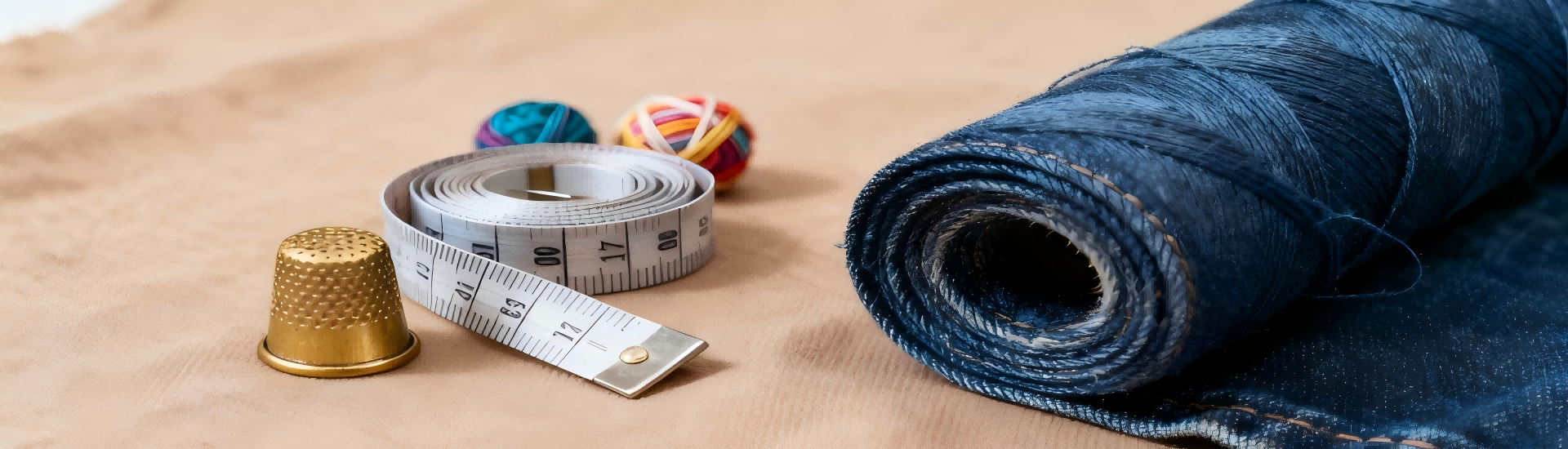
Bespoke streetwear is not just customization—it’s a collaborative craft. Rooted in tailoring tradition but reimagined for urban expression, it merges hand-guided construction with deeply personal storytelling. Each garment begins with original pattern drafting, not size adjustments to a stock template. Materials are chosen with purpose—organic cottons, recycled technical knits, or deadstock fabrics—selected for both ethics and aesthetic resonance. Construction prioritizes durability and detail: flat-felled seams, custom hardware, hand-set zippers, and iterative fittings ensure the final piece reflects the wearer’s form, values, and voice. This isn’t fast fashion repackaged; it’s slow creation with intent. As the Fashion Innovation Council notes, 73% of consumers now value co-creation over passive purchasing—confirming that bespoke streetwear answers a growing demand for meaning, not just merchandise.
Made-to-order (MTO) and limited editions may offer exclusivity—but they don’t offer singularity. MTO lets customers choose colors or sizes from fixed designs; bespoke starts from zero, building patterns uniquely for each body and vision. Limited editions replicate identical garments in small batches—scarcity by quantity, not uniqueness. Bespoke guarantees irreplaceability: no two pieces share the same proportions, fabric combinations, or narrative intent.
This distinction isn’t semantic—it’s structural. Bespoke eliminates overproduction at the source while anchoring value in craftsmanship, not calendar-driven hype.
Bespoke streetwear enables brands to operate outside the discount-driven treadmill of mass retail. Because every garment is produced only after full client alignment—and built by hand—the model inherently avoids unsold inventory, markdowns, and write-offs. Margins rise not through markup alone, but through justified premium pricing: clients pay for structural excellence, narrative collaboration, and guaranteed singularity. This shifts brand perception from trend-chaser to trusted curator—positioning the label in a higher-value, lower-volume tier where price sensitivity recedes and loyalty deepens.
When a customer helps design their jacket—from stitch type to pocket placement—they don’t just buy clothing; they invest in identity. That investment creates emotional equity far stronger than transactional loyalty. Clients become storytellers, sharing behind-the-scenes iterations, fitting notes, and finished pieces organically—not as branded content, but as lived experience. This authentic advocacy builds community grounded in shared values: intentionality, sustainability, and self-expression. Retention improves not because of loyalty points, but because the brand becomes part of the wearer’s personal archive—a living extension of who they are and how they choose to show up.
Bulk manufacturing relies on prediction, not participation—forecasting demand months ahead, then producing thousands of near-identical units. The result? Over 30% of all textiles end up in landfills annually, per the Ellen MacArthur Foundation’s 2023 circularity report. Unsold stock is routinely incinerated or liquidated, undermining environmental claims with operational reality. Carbon emissions per garment run four times higher in automated, high-volume facilities compared to small-batch ateliers—where energy use, water consumption, and material waste are measured in grams, not tons. For streetwear brands claiming urban consciousness, this contradiction erodes credibility faster than any influencer campaign can restore it.
Streetwear was born in basements, skate parks, and block parties—not data dashboards. Yet algorithmic trend replication—scraping social metrics to fuel weekly drops—severs design from its cultural roots in hip-hop, graffiti, and DIY resilience. Gen Z sees through it: 68% abandon brands that feel culturally disengaged (Forrester, 2024). When collections prioritize virality over voice, garments lose their grounding in real subcultural language and become hollow signifiers. Authentic relevance doesn’t scale—it deepens. It lives in the time taken to understand a client’s story, the care embedded in a hand-stitched hem, and the courage to release fewer, truer pieces.
Bespoke streetwear is a highly personalized form of fashion that combines artisanal craftsmanship, intentional design, and collaboration with the client. Each piece is made to reflect the wearer’s values, form, and personal narrative.
Unlike made-to-order clothing, which allows a selection within predefined designs, bespoke streetwear starts from scratch with unique patterns, fabrics, and concepts tailored for each individual.
Bespoke streetwear avoids bulk production and material waste by creating one-of-a-kind pieces. This helps eliminate overproduction and minimizes environmental impact.
Bespoke streetwear allows brands to offer premium pricing, reduce waste, and foster customer loyalty through co-creation and authentic storytelling.
Mass-produced streetwear often prioritizes trends over maintaining cultural relevance. This disconnect from its roots in DIY urban expression makes it less compelling to consumers seeking authenticity.
 EN
EN